
Designing for everyone: introduction to Universal Design for Learning (UDL)
What is Universal Design for Learning?
Universal Design for Learning is an approach to designing learning experiences so that they work for as many people as possible from the start.
Instead of asking:
“How do we adapt this for someone?”
UDL asks:
“How can we design this so everyone can access it?”
It’s a shift from reactive adjustments to proactive inclusion.
The idea is simple: people learn differently
There is no “average learner”. Some people prefer:
- reading
- listening
- watching
- doing
Some need:
- more time
- clearer structure
- different formats
- more interaction
UDL recognises this diversity and builds it into the design of learning experiences.
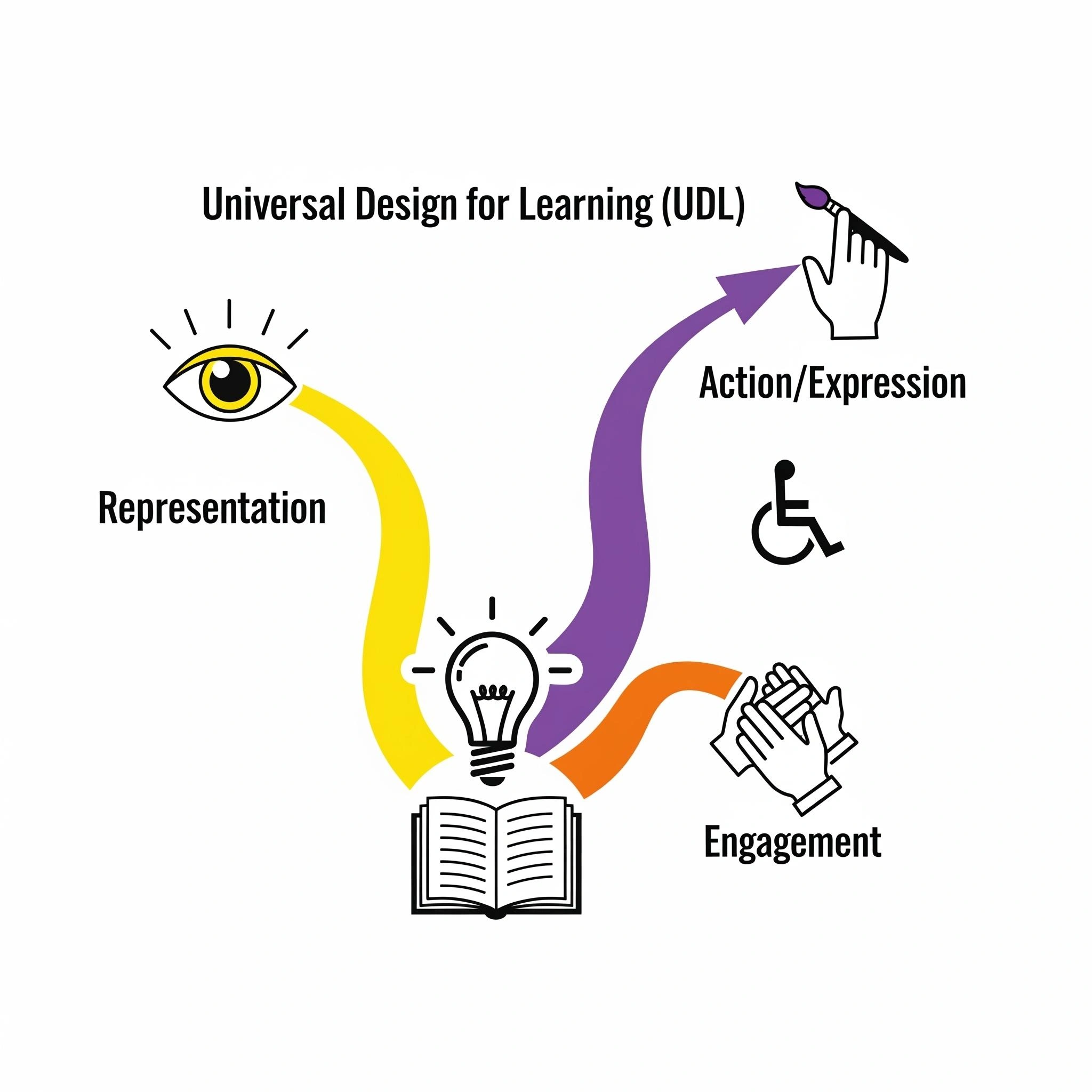
The 3 core principles of UDL
UDL is based on three key ideas that can be applied in any digital youth work activity:
Multiple means of engagement
People are motivated in different ways. Offer choices:
- individual vs group work
- interactive vs reflective activities
- flexible pacing
Multiple means of representation
People understand information differently. Present content in different formats:
- text
- audio
- video
- visuals
This supports not only accessibility, but also better understanding for everyone.
Multiple means of action and expression
People express themselves in different ways. Allow different ways to participate:
- writing
- speaking
- recording a video
- using digital tools
This creates space for all participants to contribute in a way that suits them.
UDL in digital youth work
One of the biggest advantages of digital environments is flexibility. Online tools already allow us to:
- combine formats
- adapt pace
- create interactive experiences
- personalise learning
But this potential is often underused.
The SEOywd curriculum highlights that UDL can be easily integrated into everyday youth work by making intentional choices when designing activities and materials. For example:
- providing both written instructions and audio explanations
- allowing participants to choose how they complete a task
- recording sessions for later access
- using visuals alongside text
These are not complex changes, but they can completely transform the learning experience.
Why UDL matters for inclusion
UDL is closely connected to digital accessibility, but it goes one step further.
Accessibility ensures that people can access content.
UDL ensures that people can engage, understand, and participate.
Together, they create learning environments where:
- fewer adaptations are needed
- more people feel included from the start
- participation becomes natural, not forced
From adapting to designing differently
A common approach in youth work is:
“We will adapt if needed.”
UDL challenges this by encouraging us to think ahead:
“How can we design this better from the beginning?”
This doesn’t mean creating more work.
It means creating smarter, more flexible learning experiences.
This article is part of the SEOywd project, which developed a comprehensive curriculum to support youth workers in designing and implementing accessible digital content and inclusive online activities. Want to go further? Explore the SEOywd curriculum and discover practical tools to make your digital youth work more accessible and inclusive.