
From barriers to inclusion: understanding disability in the digital world
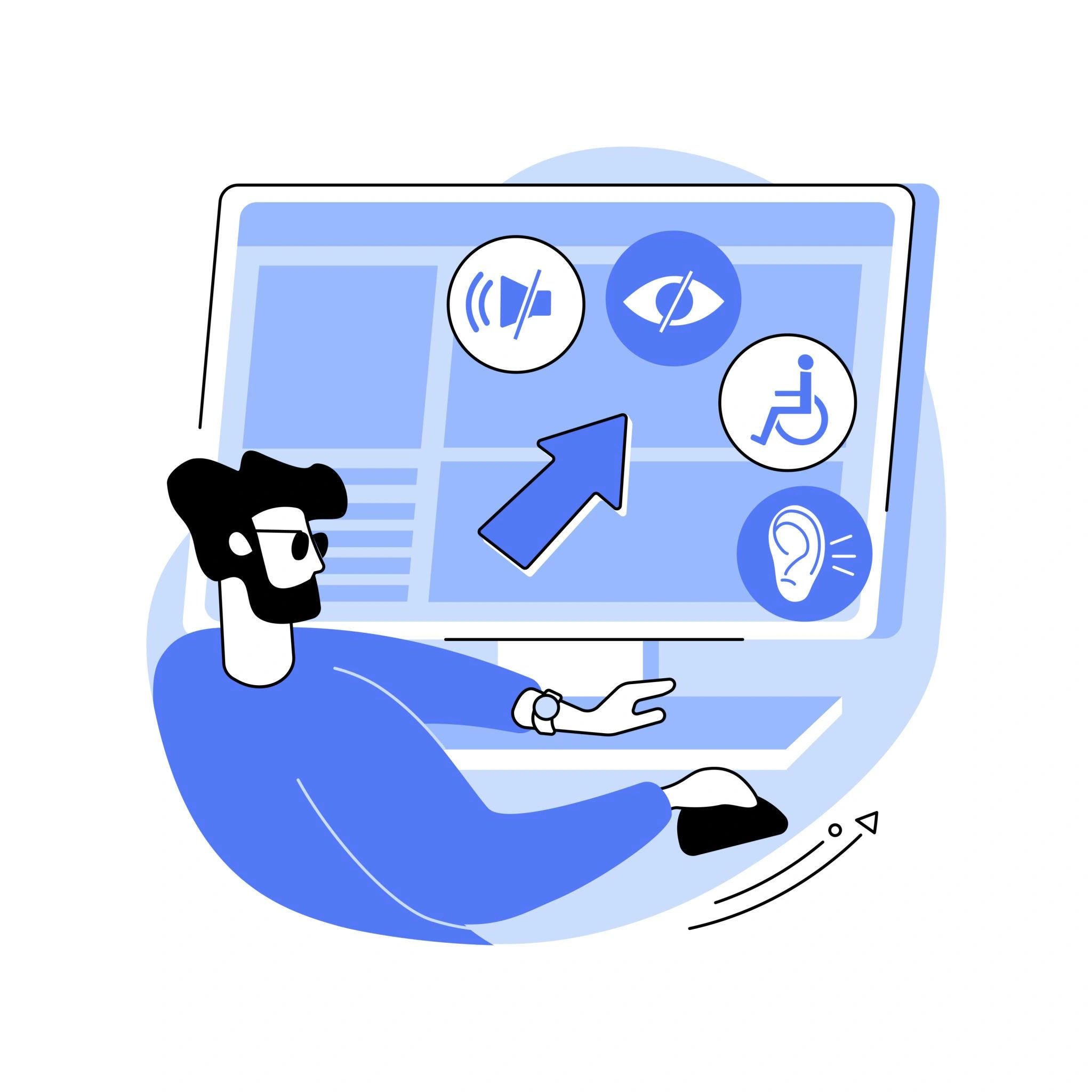
Think about the last time something online didn’t work the way you expected.
A website wouldn’t load properly. A video had no sound. Instructions were confusing.
Frustrating, right?
Now imagine that this is not occasional, but constant.
For many young people with disabilities, this is exactly how digital environments feel.
But here’s the important question:
Is the problem really in the person, or in the way things are designed?
Rethinking disability: shifting the perspective
For a long time, disability was understood mainly through what is known as the medical model.
This perspective sees disability as something that needs to be “fixed” and as a limitation within the individual.
In practice, this often leads to thinking like:
- “They can’t use this platform”
- “They need special support”
- “They are the exception”
But over the years, a different way of understanding disability has gained importance, one that is central to the SEOywd curriculum.
The social model of disability shifts the focus completely.
Instead of asking “What is wrong with the person?”, it asks:
“What barriers exist in society that prevent participation?”
The real problem: barriers, not abilities
From this perspective, disability is not created by a person’s condition, but by the environment around them.
In digital youth work, barriers can look like:
- videos without captions
- websites that don’t work with screen readers
- complicated navigation
- unclear instructions
- fast-paced activities with no flexibility
These are not small issues. They directly affect whether someone can participate or is completely excluded. So the question actually becomes:
Are we as youth workers designing spaces that include or unintentionally exclude?
The hidden impact of stigma
Beyond technical barriers, there is something less visible but equally important: attitudes. Young people with disabilities often face assumptions such as:
- they are less capable
- they need constant help
- they cannot fully participate
These stereotypes can influence how activities are designed, who is invited, and what expectations are set.
Sometimes exclusion doesn’t happen because of bad intentions, but simply because of lack of awareness. And in digital environments, this exclusion can be even easier to overlook.
From participants to co-creators
One of the strongest messages within the SEOywd approach is this:
Young people with disabilities should not only be included, they should be involved.
Not just as participants, but as:
- testers of digital tools
- contributors to content
- co-designers of learning experiences
Because no guideline or checklist can replace real lived experience.
When we involve young people with disabilities in the process, we don’t just improve accessibility. We also create more relevant, meaningful, and inclusive youth work.
What this means for youth workers
Understanding disability through the social model changes everyday practice in simple but powerful ways. It encourages youth workers to:
- question assumptions
- reflect on who might be excluded
- adapt communication and methods
- design with flexibility in mind
And most importantly: to move from a mindset of “helping” to a mindset of removing barriers.
This article is part of the SEOywd project, which developed a comprehensive curriculum to support youth workers in designing and implementing accessible digital content and inclusive online activities. Want to go further? Explore the SEOywd curriculum and discover practical tools to make your digital youth work more accessible and inclusive.