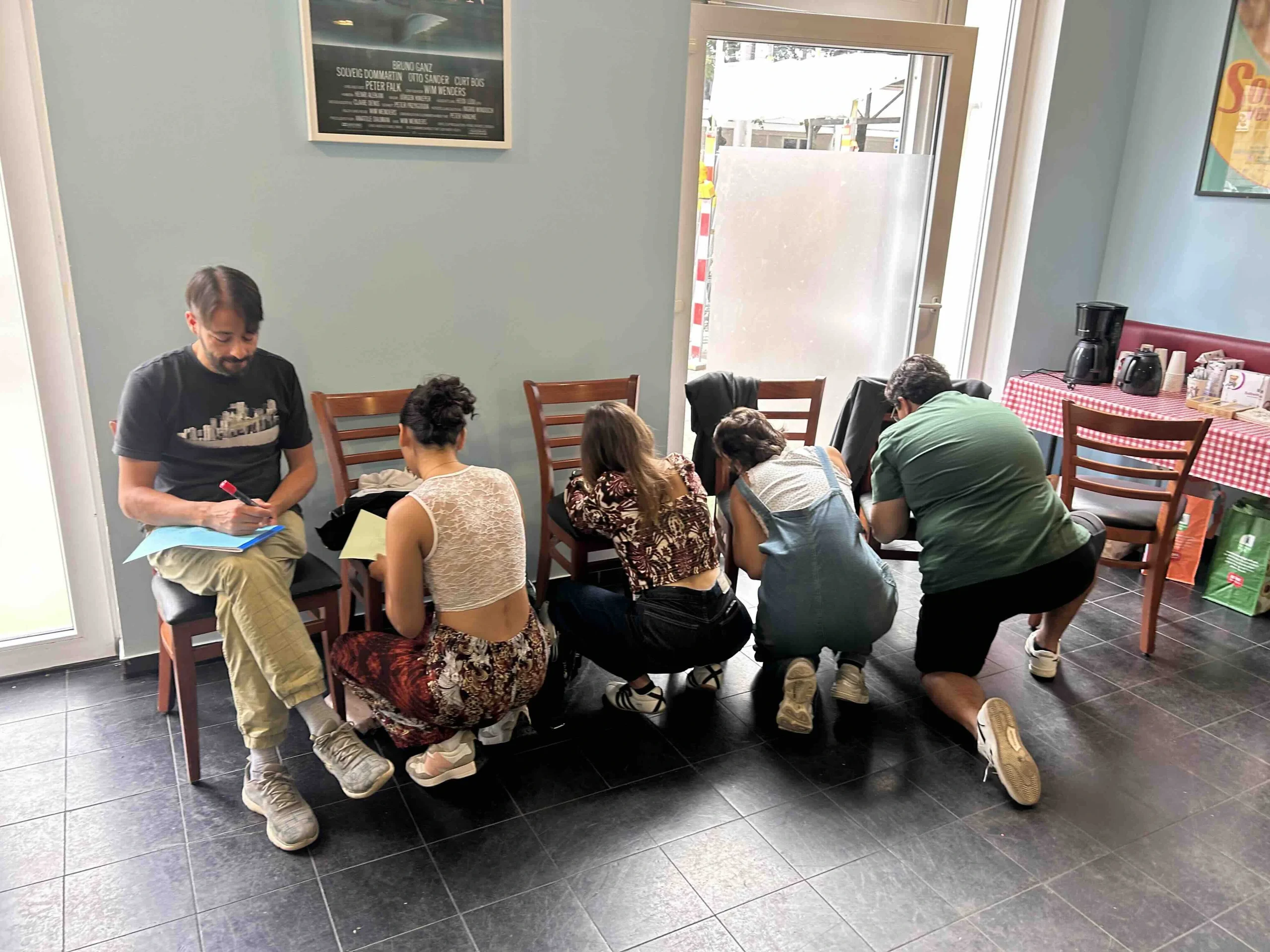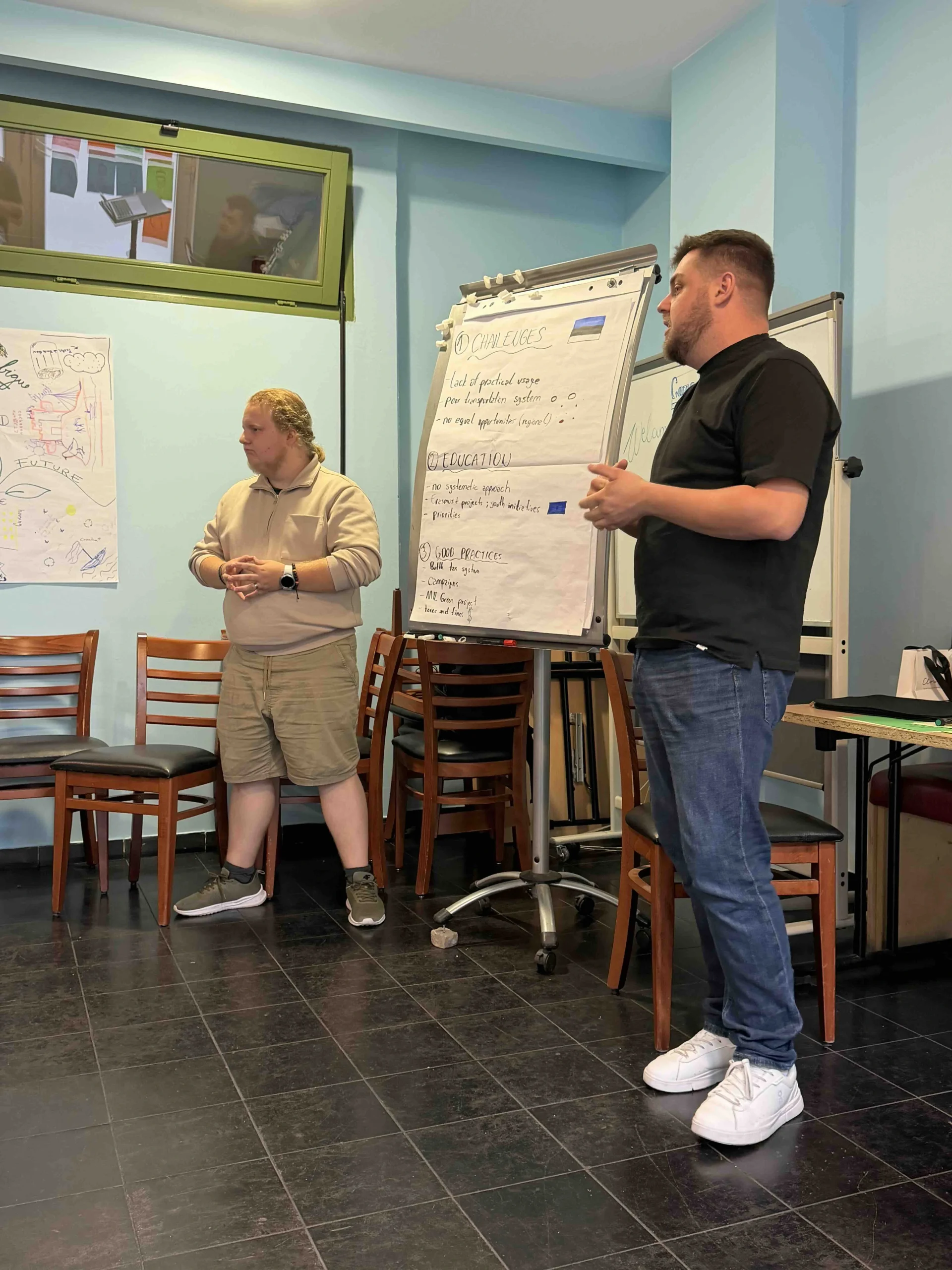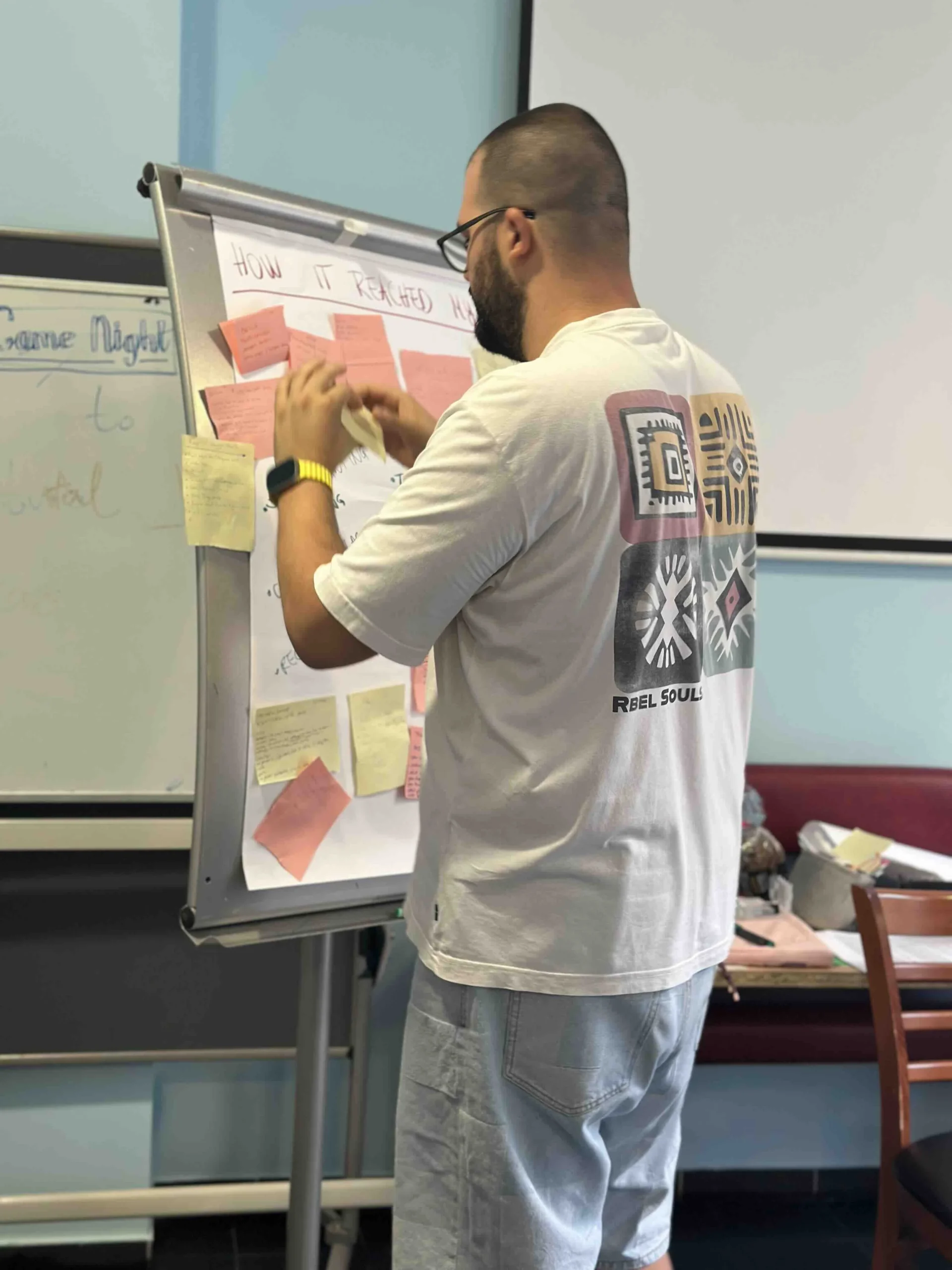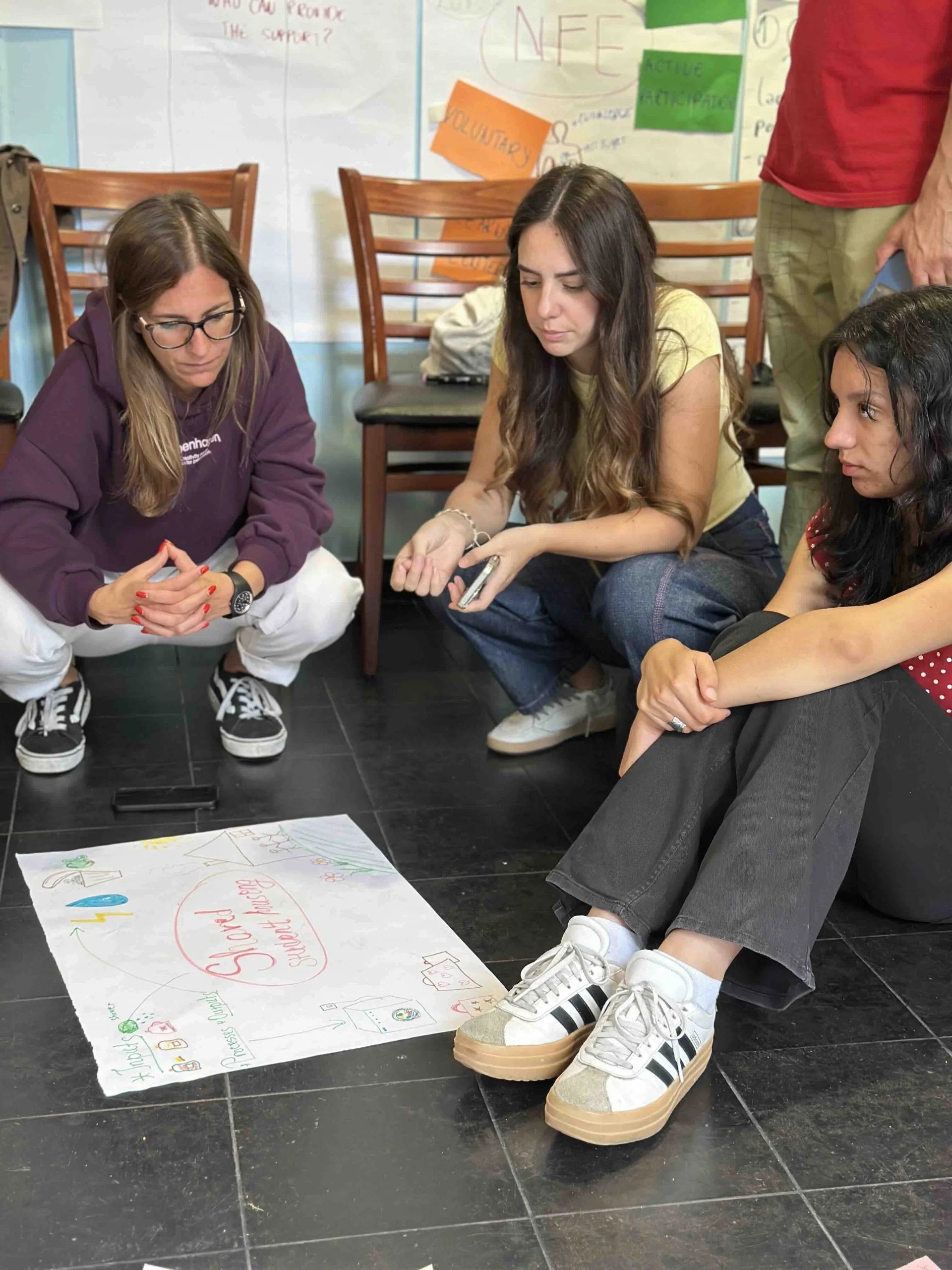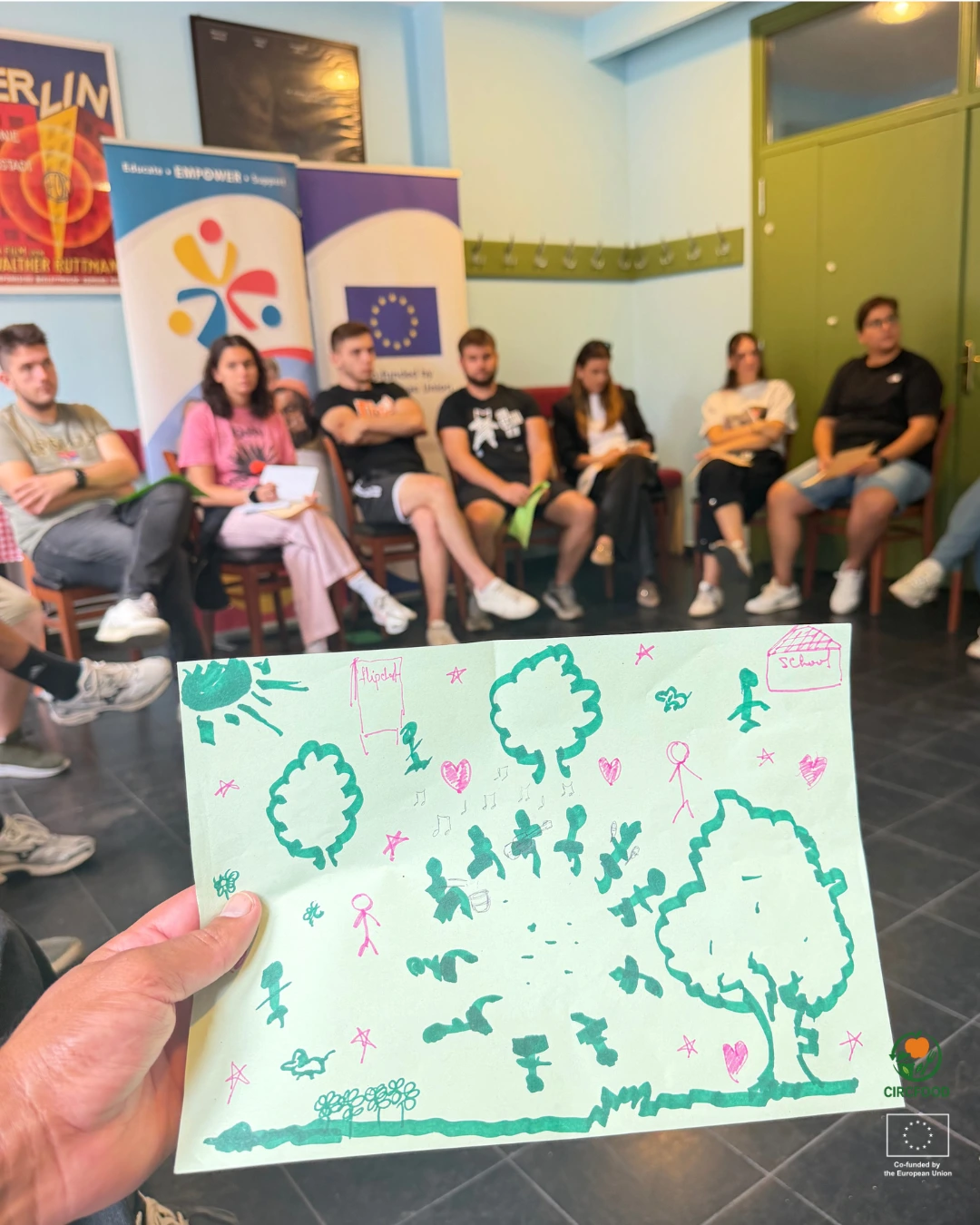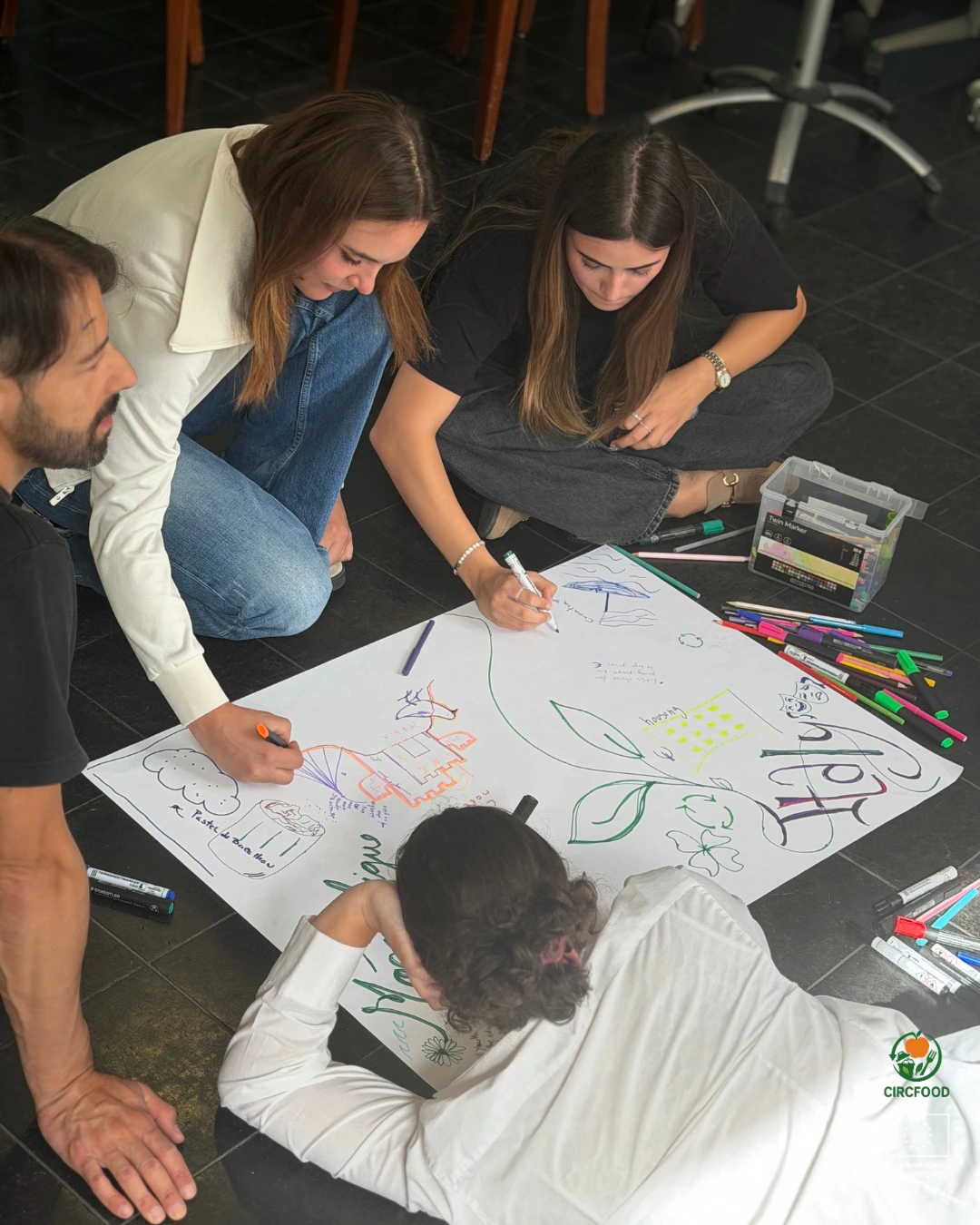
How can youth workers inspire young people to reduce food waste, rethink consumption habits, and contribute to more sustainable communities? This question stood at the heart of an international training held in Berlin, Germany, as part of the Erasmus+ project CIRCFOOD – Circular Food Economy: Reducing Waste and Carbon Footprint.
Youth workers from different European countries came together in Berlin to strengthen their knowledge of sustainability, circular economy principles, and practical approaches to environmental education. Through interactive workshops, non-formal education activities, group discussions, and peer learning, participants explored how everyday choices connect to larger environmental challenges.
The programme covered food waste prevention and responsible consumption, as well as circular economy principles and zero-waste practices. Participants also looked at sustainable lifestyles and community-based solutions, and reflected on the role of youth workers in promoting environmental awareness. A central focus was how to turn sustainability knowledge into practical local initiatives that young people can take part in and shape themselves.
At Learning Library, we believe that education is a powerful driver of sustainable change. As the Estonian partner in the CIRCFOOD project, we contribute to developing accessible learning resources and non-formal education approaches. These help youth workers transform complex environmental challenges into engaging learning experiences for young people.
The training highlighted one important message: sustainability starts with awareness, but real impact comes through action. By connecting international learning experiences with local community needs, we are supporting youth workers in becoming changemakers who inspire greener habits and more responsible choices.
The journey continues as we work together to bring circular economy education closer to young people across Europe.
Co-funded by the European Union through the Erasmus+ Programme.